
The Quiet Warrior: How Martial Arts Empowers Children with Anxiety

In a world that often feels loud and overwhelming, many children struggle with the silent battle of anxiety. From school stress to social pressures, the constant hum of worry can make everyday life a challenge. While traditional therapies and mindfulness practices are invaluable tools, a growing body of scientific research is shedding light on a less conventional, yet profoundly effective, intervention: martial arts. Beyond the kicks and punches, these ancient disciplines offer a structured, empowering pathway for children to navigate their fears, build confidence, and find a sense of inner calm. This isn’t just a physical activity; it’s a form of moving meditation and emotional training that equips young people with the resilience to face life’s challenges head-on.
The Scientific Link: From Anxiety to Empowerment

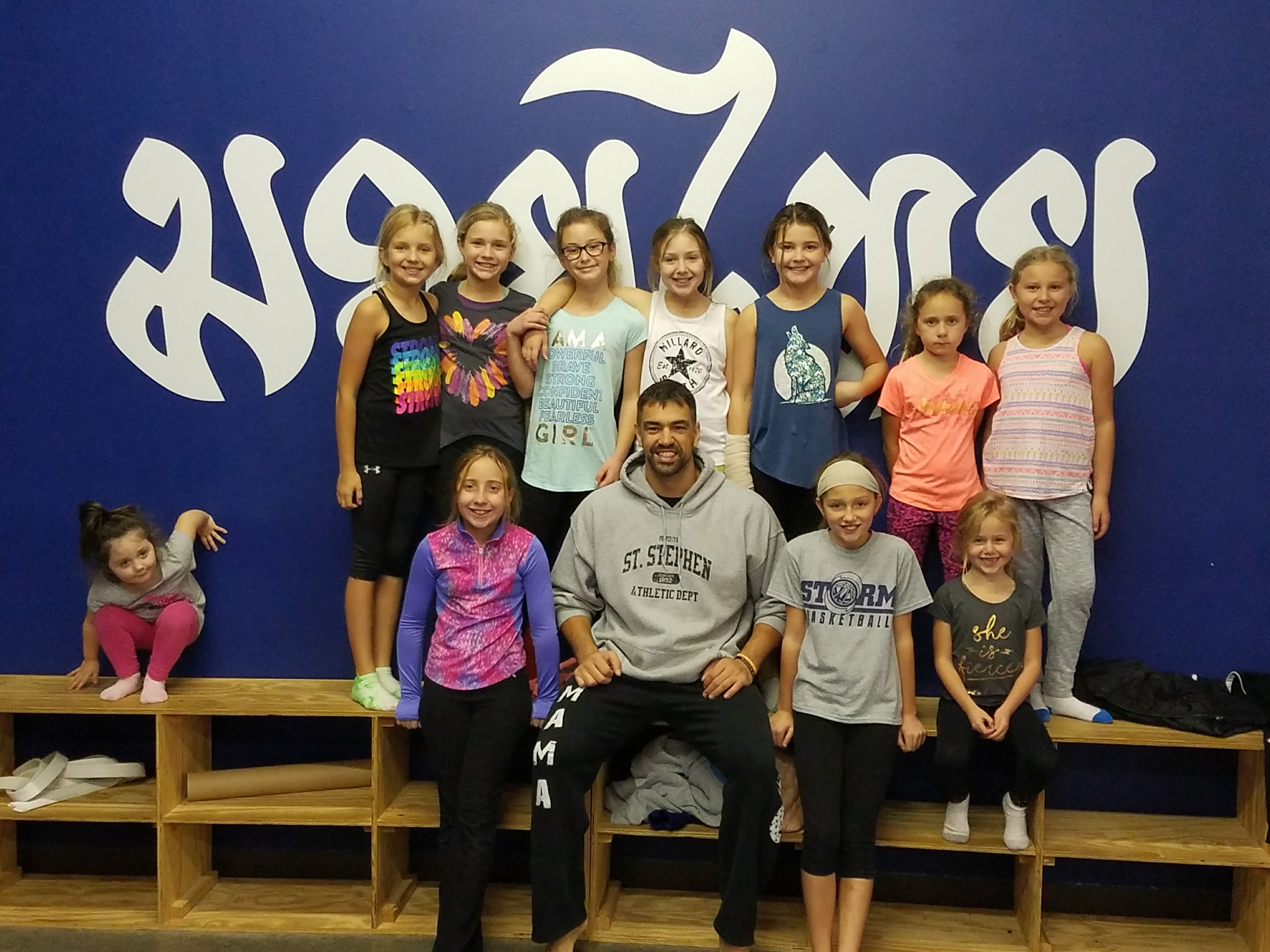
The idea that a combat-based activity could help a child with anxiety may seem counterintuitive. However, the benefits are not rooted in aggression but in the discipline, self-control, and mindfulness that are central to a high-quality martial arts program. A systematic review and meta-analysis published in PubMed demonstrated a significant, positive effect of martial arts training on mental health outcomes, including a medium effect in reducing symptoms associated with internalizing mental health issues like anxiety and depression. This is attributed to several key mechanisms that directly target the physiological and psychological symptoms of anxiety.
The Power of Physical Activity:
The most immediate benefit is the therapeutic effect of physical exercise itself. When a child engages in a martial arts class, they are releasing pent-up energy and stress in a healthy, controlled environment. The structured, repetitive movements of forms (or katas) and drills require intense focus, which serves as a powerful distraction from anxious thoughts. This focused physical exertion stimulates the production of “feel-good” hormones like endorphins, dopamine, and serotonin, which naturally help to lift mood and reduce feelings of stress and anxiety. The physical workout becomes a tool for active mindfulness, grounding the child in the present moment and breaking the cycle of worry about past mistakes or future uncertainties.
Building Self-Efficacy and Confidence:
Anxiety often stems from a feeling of powerlessness or a lack of control. Martial arts directly counteracts this by building self-efficacy—the belief in one’s own ability to succeed. Each class presents a new challenge, whether it’s mastering a new technique, breaking a board, or sparring with a partner. As children progress through the belt system, each new rank is a tangible reward for their hard work and perseverance. This provides a clear, progressive path of achievement that boosts self-esteem.
Research from a randomized controlled trial published in MDPI found that a martial arts-based intervention improved self-efficacy in secondary school students compared to a control group. This enhanced belief in their own capabilities extends far beyond the dojo, giving them the confidence to tackle academic hurdles, social situations, and other anxiety-inducing scenarios. They learn that with effort and practice, they are capable of overcoming obstacles—a lesson that is invaluable for a child who often feels overwhelmed.
Emotional Regulation and Self-Control:
One of the most profound benefits of martial arts for anxious children is the focus on emotional regulation. Classes are not just about learning self-defense; they are about learning self-control. Students are taught to manage their breathing, control their physical responses, and remain calm under pressure. For instance, in Brazilian Jiu-Jitsu, a child learns to stay calm and think strategically while in a challenging grappling position. This training in composure and emotional stability directly translates to real-life situations. The child learns to pause, breathe, and think before reacting to a frustrating or scary situation, rather than being swept away by their anxiety. The structured environment, which emphasizes respect and discipline, also helps children with ADHD and other neurodiverse conditions by providing a predictable routine that can be incredibly comforting and anxiety-reducing.
The Value of Community and Positive Social Interaction:
For children with social anxiety, the thought of joining a group activity can be terrifying. However, a martial arts dojo is not a typical competitive sports team. The culture is built on mutual respect, encouragement, and a shared journey of personal improvement. Instructors act as positive mentors, and older students often help younger ones, creating a supportive community. This provides a safe, structured setting for social interaction, allowing children to develop friendships and social skills in a low-pressure environment. They learn to communicate, collaborate, and trust their peers, all of which can significantly reduce the loneliness and isolation that often accompany anxiety.
Addressing the Counterpoints: The Importance of a Quality Program
It is important to acknowledge that not all martial arts are created equal, and some research has raised questions about their potential negative effects, particularly on aggressive behavior. A study mentioned in Martial arts as a mental health intervention for children? Evidence from the ECLS-K, found no statistically significant effect on behavior, and other studies have even pointed to a link between certain “power sports” and increased antisocial behavior.
This is why the choice of a martial arts school and instructor is paramount. The benefits discussed here are directly tied to programs that emphasize the philosophical and mental aspects of the art, such as discipline, self-control, and respect. A good program will focus on character development just as much as physical technique, teaching students to use their skills for self-defense only and to resolve conflicts peacefully. Parents should look for a school with a positive, respectful atmosphere and instructors who are aware of the unique needs of children with anxiety.
A Journey of Self-Discovery
Martial arts is more than a sport; it is a holistic discipline that provides a unique and powerful framework for children to manage anxiety. By fostering physical health, building self-efficacy, teaching emotional regulation, and creating a supportive community, it empowers young people to become the masters of their own minds and bodies. For the child who feels overwhelmed by worry, the dojo can be a sanctuary—a place where they can transform their fear into focus, their doubt into confidence, and their anxiety into a quiet, internal strength. It is a journey of self-discovery, and in every punch, kick, and bow, they learn not just how to defend themselves, but how to become their own quiet warrior.